
- In this blog, we’ll dive deep into why licensing matters, how it protects both you and your clients, and what you need to know as you prepare to start your journey in the beauty industry.
What Is Licensing in the Beauty Industry?
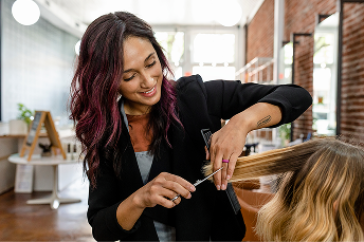
Key Beauty Licenses in Utah:
- Barber License: Focuses on short hair cutting, beard, mustache, styling, and shaving.
- Hair Design License: Focuses on haircutting, styling, coloring, chemical treatments, and hair design on the scalp, neck, and face.
- Nail Technician License: Focuses on nail care services, including cleaning, shaping, polishing, applying artificial nails, and performing hand and foot treatments.
- Master Esthetician License: Focuses on advanced skin care services, including facials, chemical peels, microdermabrasion, hair removal, body treatments, and other cosmetic skin procedures within the scope of esthetics.
- Cosmetology License: Focuses on a full range of beauty services, including hair cutting, coloring, and styling, as well as skin care, nail services, and makeup application.
Why Licensing Matters: The Big Picture
1. Safety and Sanitation Standards
Beauty services often involve direct physical contact, sharp tools, and sometimes chemicals. Without proper training, clients could be exposed to infections, burns, or injuries. Licensing ensures professionals know how to:
- Disinfect tools and workstations properly.
- Use chemicals like hair dye or relaxers safely.
- Handle sharp tools such as razors, scissors, and nail equipment with precision.
- Identify potential health concerns and refer clients to medical professionals when necessary.
Real-Life Example: The CDC has reported outbreaks of fungal nail infections linked to poorly sanitized pedicure tubs in salons. One case in Georgia led to a client developing a severe toenail infection that required medical intervention.
2. Consumer Protection
Licensing isn’t only about skills—it’s also about accountability. Licensed professionals are regulated by the Utah Division of Professional Licensing (DOPL). If a client has a bad experience, there’s a governing body to oversee complaints and ensure professional conduct. This protects clients from unsafe practices and protects you from being lumped in with unqualified or unlicensed individuals.
Real-Life Example: A woman in California sued an unlicensed hairdresser after a botched treatment caused chemical burns on her scalp. Because the stylist was unlicensed, the client had no professional board to turn to for accountability—leading to costly legal battles.
3. Professional Credibility
4. Access to Better Opportunities
5. Legal Protection
How Licensing Protects Clients
Clients trust beauty professionals with their appearance, confidence, and sometimes even their health. Here’s how licensing specifically safeguards clients:
- Reduced Risk of Injury or Infection: Licensed professionals are trained in sanitation and safety, which significantly reduces the risk of infections like staph or fungal conditions.
- Professional Knowledge of Products and Procedures: Whether it’s a chemical peel, a hair color process, or nail enhancements, licensed professionals know the proper techniques and how to prevent harmful side effects.
- Ethical Standards: Licensing boards set ethical guidelines that licensed professionals must follow. This ensures honesty in pricing, services, and results.
- Accountability: If something goes wrong, clients have recourse through the licensing board.
How Licensing Protects Beauty Professionals
While clients benefit greatly from licensing, beauty professionals also gain significant protection:
- Professional Reputation: A license sets you apart from unlicensed workers and validates your expertise.
- Job Security: Employers want licensed staff. Being licensed makes you more competitive in the job market.
- Business Legitimacy: If you plan to open your own salon, spa, or barbershop, a license is essential for getting permits, insurance, and building client trust.
- Ongoing Education: Many states, including Utah, require continuing education to renew licenses. This ensures you stay current on new trends, safety protocols, and advanced techniques.
Common Misconceptions About Licensing
“I don’t need a license for simple services.”
Even something as seemingly simple as a manicure or haircut can pose risks if not done properly. Licensing ensures that you’re trained to handle even the smallest services safely.
“Licensing is just about passing a test.”
Licensing isn’t just about the exam—it’s about ensuring you’ve completed the hours of training necessary to develop real-world skills and safety knowledge.
“Clients don’t care if I’m licensed.”
On the contrary, clients are becoming more aware of the risks of unlicensed work. Many actively look for licensed professionals because they know it means safety and professionalism.
The Licensing Process in Utah
If you’re considering a beauty career in Utah, here’s a step-by-step breakdown of how licensing typically works:
- Enroll in an Accredited Beauty School: Programs must be approved by the Utah Division of Professional Licensing.
- Complete the Required Hours: Each program has a set number of training hours. Check with your local school for more details on program hours.
- Gain Real-World Experience: Most schools, including those part of UBA, offer student salons where you can practice on real clients under supervision.
- Pass Written and Practical Exams: The exams test your knowledge of safety, techniques, skills, and state laws.
- Apply for Your License: Submit proof of training and exam results to DOPL.
Maintain and Renew Your License: Stay current with continuing education and renew your license as required.
Licensing and the Future of the Beauty Industry
Licensing doesn’t just protect today’s professionals and clients—it also strengthens the future of the industry. By maintaining high standards:
- The industry’s reputation grows, ensuring beauty professionals are seen as skilled, trusted experts.
- Innovation thrives, because professionals are trained to adopt safe, advanced techniques.
- Public trust increases, encouraging more people to seek professional services rather than unsafe alternatives.
What Happens If You Work Without a License?
Working without a license is risky. In Utah, unlicensed practice can result in:
- Fines and legal penalties.
- Lawsuits if a client is harmed.
- Permanent damage to your reputation.
Not only does it put clients at risk, but it also jeopardizes your future in the industry. Licensing is always worth the effort.
Tips for Clients: Choosing a Licensed Professional
If you’re a client looking for services, here are a few tips to ensure you’re choosing a licensed professional:
- Ask to see their license; it should be displayed at their workstation.
- Verify their license status through the Utah Division of Professional Licensing website.
- Look for professionals who follow sanitation protocols (e.g., clean tools, disinfected stations).
- Trust your instincts; if something feels unsafe, don’t proceed with the service.
Tips for Students: Succeeding in Licensing
As a beauty student preparing for your license, keep these tips in mind:
- Take your training seriously. The skills you learn will form the foundation of your career.
- Ask instructors questions about safety, sanitation, and client care.
- Get as much hands-on experience as possible in student salons.
- Study for your exams using practice tests and review sessions.
- Stay informed about continuing education opportunities even after you’re licensed.
Licensing Protects Everyone
At the Utah Beauty Association (UBA), we know licensing can feel intimidating at first—but it’s truly one of the best investments you can make in your future. Licensing protects you as a professional, keeps your clients safe, and strengthens the entire beauty industry.
So whether you’re a prospective student, a current professional, or a client seeking services, remember: licensing is more than a requirement. It’s a promise of sanitation, safety, and professionalism.