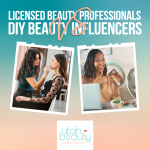

When you step into a salon, spa, barbershop, or nail studio, you’re trusting the person behind the chair or treatment table with more than just your look—you’re trusting them with your health and safety and appearance. While talent and creativity are essential, professional beauty services go far beyond knowing how to apply color or shape brows. They require training, licensing, and an understanding of hygiene, safety, and client care.
Unfortunately, with the rise of social media tutorials and at-home beauty hacks, it can be difficult for clients to know whether the person performing their service is truly qualified. The Utah Beauty Association (UBA) wants to help you recognize the difference between licensed and unlicensed beauty services, so you can feel confident in choosing a professional who’s not only skilled, but also safe and trustworthy.
This blog will guide you through what licensing really means, why it matters, and how to spot a skilled beauty professional—whether you’re getting a haircut, facial, or manicure.
Why Licensing Matters in Beauty Professions
Many people assume beauty school is just about learning trendy cuts, makeup tricks, or nail art designs. But licensing is about much more than creativity—it’s about health, safety, and professionalism.
Here’s what licensing ensures:
- Sanitation & Infection Control: Licensed professionals are trained in how to properly disinfect tools, use single-use items, and prevent the spread of infections like nail fungus, staph, or lice.
- State Standards: Every licensed professional in Utah must meet requirements set by the Division of Occupational and Professional Licensing (DOPL). This ensures consistent quality and safety across salons and spas.
- Hands-On Education: Before earning a license, students complete hundreds of hours of hands-on practice under supervision, learning not only technique but also client communication, safety, sanitation, and professionalism.
- Health Knowledge: Licensed professionals can recognize signs of skin conditions, scalp issues, or nail disorders, and they may know when to refer you to a healthcare provider.
- Consumer Protection: If you experience an issue with a licensed professional, you have recourse through the state licensing board—something you don’t get with an unlicensed provider.
Without licensing, you’re leaving your health and appearance in the hands of someone who may not have the knowledge or accountability required to protect you.
The Hidden Dangers of Unlicensed Beauty Services
It may be tempting to save money by going to an unlicensed beauty technician, but there are risks many clients don’t consider.
Some dangers of unlicensed services include:
- Infections: Unsanitized tools can spread bacterial, fungal, or viral infections.
- Chemical Burns: Hair color, bleach, and chemical peels require training to apply safely.
- Permanent Damage: Poorly done lash extensions or nail services can damage your natural lashes and nails.
- No Accountability: If something goes wrong, you don’t have state protections.
Simply put—what you save in dollars could cost you your health, time, and appearance.
What to Look for in a Licensed Hairstylist
When choosing a hairstylist, it’s about more than just finding someone who can create a trendy cut. Here’s what you should look for:
1. License Display
Licensed hairstylists in Utah are required to visibly display their license. Don’t be shy about asking to see it if it’s not visible.
2. Clean Tools & Workspace
Pay attention to how they handle combs, brushes, and scissors. Are tools disinfected between clients? Are workstations tidy? Is hair swept and discarded between client services?
3. Consultation Process
A skilled stylist will ask about your hair goals, daily routine, and hair history before recommending treatments. This shows they understand both safety and customization.
4. Ongoing Education
The beauty industry evolves quickly. Ask if your stylist attends workshops or advanced classes—it’s a sign they’re committed to growth.
5. Professional Communication
A licensed stylist will listen carefully, explain procedures clearly, and set realistic expectations.
What to Look for in a Licensed Esthetician
Facials, hair removal, and advanced skincare services require specialized knowledge. Here’s how to spot a qualified esthetician:
1. Visible License
Like hairstylists, estheticians must display their license in a visible place. Always confirm this before your first service.
2. Sanitation Practices
Look for fresh linens, sealed disposable items (like waxing sticks), and sterilized tools. An esthetician should wash their hands before and after every service.
3. Professional Intake Forms
A licensed esthetician will ask about allergies, medications, and skin conditions before beginning. This is crucial for preventing bad reactions.
4. Product Knowledge
They should be able to explain why they’re using certain products and how those products benefit your skin type.
5. Comfort & Care
A true professional focuses on your comfort, from explaining sensations to checking in during treatments like waxing or peels.
What to Look for in a Licensed Nail Technician
Nail services may seem low-risk, but they can be dangerous if performed incorrectly. Here’s how to recognize a licensed nail tech:
1. License Verification
Nail techs, too, must have a license on visible display. Always check.
2. Hygiene Standards
They should open new or freshly sterilized tools in front of you, never reuse files or buffers, and never “double dip” into product jars.
3. Knowledge of Nail Health
A licensed nail technician can spot early signs of fungal infections or other nail issues and will refuse service if necessary.
4. Technique & Comfort
A professional won’t cause pain during cuticle care or filing. They’ll work with precision and care.
5. Creativity Backed by Safety
Nail art and extensions are fun, but they should be applied in a way that doesn’t damage your natural nails.
How to Verify a License in Utah
Not sure if your stylist, esthetician, or nail tech is licensed? You can check!
The Utah Division of Occupational and Professional Licensing (DOPL) has an online license verification tool. All you need is the professional’s name or business name, and you can instantly confirm their licensing status.
This is a powerful tool for protecting yourself as a consumer. If someone refuses to share their license information, that’s a red flag.
Red Flags That Signal Unprofessional or Unlicensed Services
Even if you don’t know all the ins and outs of licensing, there are clear signs that something isn’t right. Watch out for:
- No visible license
- Services performed in non-professional or unsanitary settings
- Tools that don’t look disinfected
- Prices that seem “too good to be true”
- Pressure to skip safety protocols (like patch tests)
- “Professionals” unwilling to answer questions about their training
If you notice these, it’s best to walk away. Your safety isn’t worth the risk.
Why Professional Training Builds More Than Skills
Licensing isn’t just about checking a box—it’s about building confidence and credibility. Beauty school graduates spend months (sometimes years) developing more than technical skills:
- Creativity: They learn to bring out each client’s unique beauty.
- Confidence: Hands-on practice helps them handle any situation calmly.
- Professionalism: Training teaches communication, customer service, and business skills.
- Career Readiness: Licensed professionals are prepared to work in salons, spas, and even launch their own businesses.
When you choose a licensed professional, you’re benefiting from that journey of growth and dedication.
The Role of the Utah Beauty Association (UBA)
At UBA, our mission is to uphold high standards in the beauty industry by supporting schools, students, and professionals. We advocate for proper training and licensing because we know it protects both clients and the future of the industry.
When you support licensed beauty professionals, you’re supporting an entire community of schools, educators, and students who are working hard to create safe, beautiful, and transformative experiences.
How to Be a Smart Salon Client
Here’s a quick checklist to help you make confident choices when booking beauty services:
- Ask to see the professional’s license
- Check the cleanliness of the workspace
- Notice if tools are sanitized between clients
- Expect a consultation or intake process
- Feel free to ask about products and techniques
- Trust your instincts—if something feels off, it probably is
Choose Licensed, Choose Safe
When it comes to beauty services, licensing and training are more than formalities—they’re your protection and your assurance of quality. Skilled, licensed professionals not only deliver beautiful results but also prioritize your health, safety, and overall experience.
The next time you sit in a salon chair or on a spa table, take a moment to look for the signs of professionalism: a visible license, a clean environment, and a confident consultation. These details matter because they separate the true professionals from the amateurs.
By choosing licensed hairstylists, estheticians, and nail technicians, you’re not just investing in your appearance—you’re investing in your well-being and supporting the future of the beauty industry in Utah.